Small text. Large claims.
Learn to separate object name, material, date, provenance, inventory number and uncertainty in Egyptian museum galleries.
Decode a label →OBJECT
- Title
- A working identification
- Material
- Substance + process
- Date
- Range + method
- Number
- Your route to the archive
A label is a compact argument.
Its shortest words carry evidence, editing and uncertainty. Copy first. Observe second. Research through the inventory number third.
Six fields to keep separate
The object name is a working doorway
A short title helps you enter the case, but it can compress function, identity and uncertainty.
Decode field →02MATERIAL + TECHNIQUEMaterial words contain a sequence
Wood, stone, bronze or textile is only the beginning; technique shows how substance became evidence.
Decode field →03DATE + PERIODA date is a range with a method behind it
Dynasty, reign, century and archaeological phase answer different chronological questions.
Decode field →04PLACE + PROVENANCEPlace must be more specific than Egypt
Production, use, findspot and present museum are different locations connected by evidence.
Decode field →05INVENTORY NUMBERThe smallest code opens the largest archive
An accession or inventory number is the durable bridge between label, database, image and research history.
Decode field →06QUALIFIERSProbably is part of the evidence
Question marks, ranges and cautious verbs preserve the boundary between observation and attribution.
Decode field →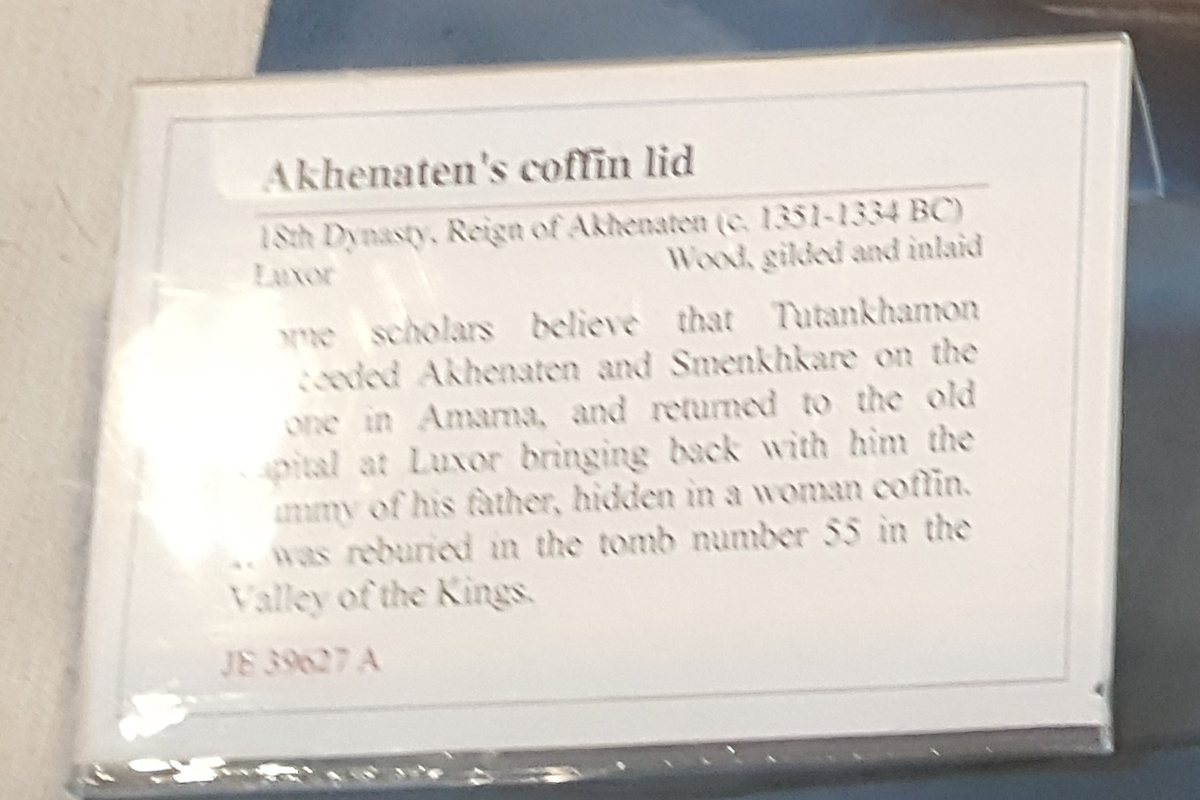
Copy the inventory number.
Titles change and similar objects share names. The collection number is your strongest bridge from case to official record and specialist bibliography.
Read the number guide →Transcribe
Preserve wording, punctuation and qualifiers.
Observe
Describe without repeating the title.
Route
Follow the object number to official sources.
No tickets. No invented certainty.
We explain a reading method. Museums control current access, visitor conditions and collection records.
Open official sources ↗