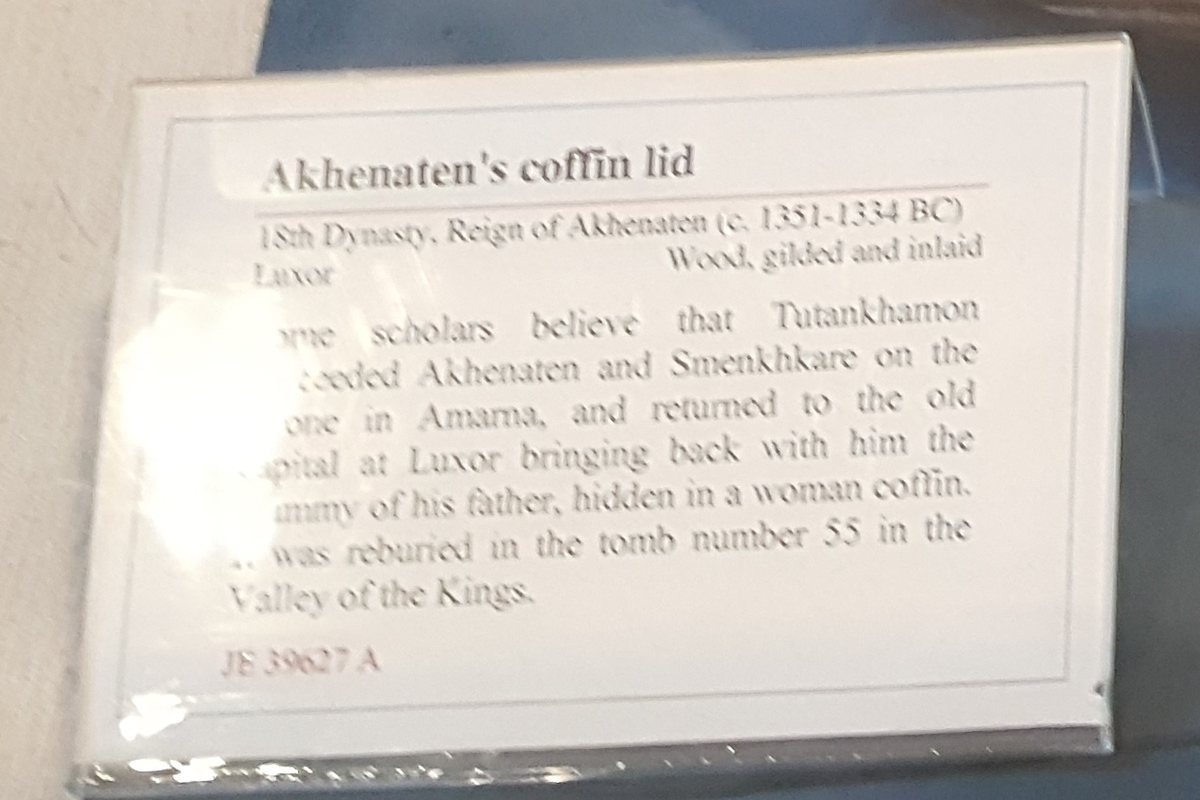
Object titles change, translations vary and similar items share names. The inventory number is designed to identify one collection record within an institution. It may encode an accession sequence, excavation register or older catalogue, but visitors should not decode it without guidance. Copy it exactly: this modest field is often the strongest tool for responsible follow-up.
Copy every character
Preserve letters, punctuation, spaces, leading zeros and prefixes. JE, CG, TR, accession years and museum-specific formats are not interchangeable. A phone photograph can help where permitted, but transcribe the number while in the gallery so glare or blur does not remove a digit.
Name the institution with the code
Numbers are usually unique only inside a collection system. Write museum and department beside the identifier. When an object has several historical numbers, record their labels rather than selecting the shortest. Cross-references can connect excavation registers, earlier catalogues and current databases.
Do not treat the code as a date
Some accession numbers include a year; others do not, and accession date is not ancient manufacture. Never infer chronology without the institution’s numbering guide. Keep object date, excavation date and accession number in separate fields even when their digits look related.
Use it for image verification
Search the official database by exact number and compare material, dimensions and photograph. Confirm that a search result is the same object, not a neighbouring entry with a similar title. If the database uses another identifier, preserve both and note the source of the link.
Follow citations outward
Catalogues and articles often cite inventory numbers because titles translate differently. Search the quoted code with the institution name, then evaluate the source. A repeated number improves object matching; it does not guarantee that every online claim is current or accurate.
Keep label and database dated
Photograph or transcribe the gallery label date if shown, and record when you accessed the online record. Differences can reflect update schedules, display space and editorial audience. Cite both instead of rewriting one with information from the other.
Respect restricted records
Not every collection has a public database, and some records remain under research or contain sensitive information. Do not scrape restricted systems or infer hidden data. Use published catalogues, official enquiries where available and clearly marked research limits.
Create a source header
Begin every object note with institution, inventory number, gallery, observation date and official record URL if available. This five-part header makes later correction possible and prevents an attractive photograph from becoming detached from its documentary identity.
Handle temporary numbers carefully
Excavation, conservation, loan and exhibition records may use temporary identifiers alongside permanent accession numbers. Copy the label attached to each code and do not assume that two numbers identify two objects. Official crosswalks or catalogues are needed to connect systems. In your filename, use the current museum identifier while preserving older numbers inside the full note.
Avoid search-engine shortcuts
A quoted inventory number plus institution name is useful, but the first result may be an image mirror, dealer page or copied database. Open the official collection record when available and verify image, dimensions and material. Cite a stable institutional URL or catalogue, not the search results page. When no official record is public, state that limit clearly.
Keep the field connected to the whole label
After analysing this field, return to title, material, date, provenance, inventory number and qualifiers together. A strong interpretation explains how the fields support or limit one another. Do not let one precise line compensate for an uncertain findspot or missing technique. Finish by naming the claim that remains strongest and the one that most needs follow-up.
Copy exact wording and inventory number. Preserve qualifiers. Confirm changing records with the responsible institution.
Institutional sources reviewed 1 August 2026: Ministry museum directory ↗.