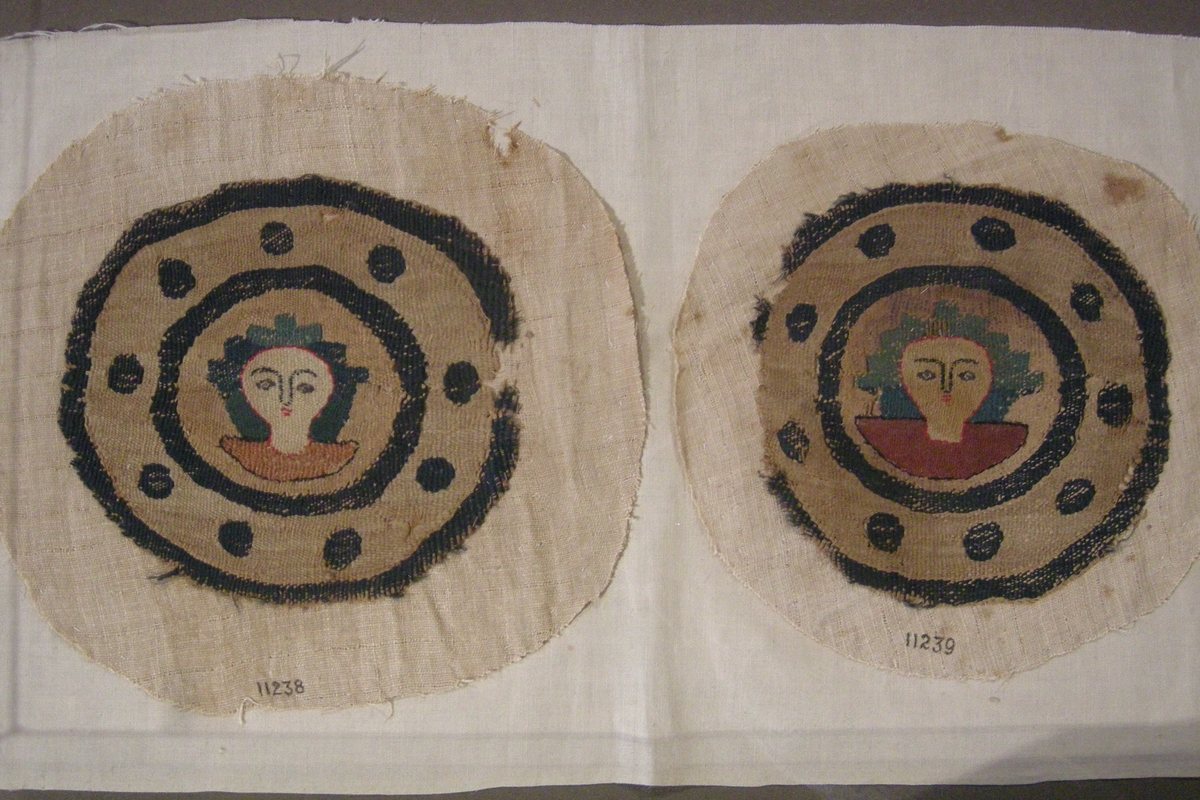
Museum labels often contain small words with large responsibilities: probably, attributed to, associated with, reported from, perhaps and uncertain. They signal how evidence supports a claim and where alternatives remain. Removing them makes writing sound confident while making it less accurate. Treat qualifiers as data, not clutter.
Copy uncertainty verbatim
Preserve question marks, brackets, approximate dates and phrases such as ‘possibly from.’ Do not simplify them in captions or notes. The exact qualifier lets later readers distinguish institutional judgement from your paraphrase and compare whether a record has changed.
Ask which field is uncertain
An object can have secure material but uncertain date, secure findspot but uncertain owner, or secure title but debated function. Attach the qualifier to the specific claim. Writing ‘object uncertain’ erases useful knowledge; writing ‘findspot reported, not excavated’ defines the limit.
Separate alternatives
When two identities or dates are proposed, list both with their evidence rather than blending them into a vague midpoint. A public label may choose one leading interpretation while a catalogue discusses more. Cite source and date for each position.
Do not upgrade repetition into certainty
A claim copied across many websites may trace back to one old catalogue. Count independent evidence, not search results. Use the inventory number to find institutional and scholarly sources, then check whether later authors provide new analysis or simply repeat the same attribution.
Use visual similarity cautiously
Comparable style, material or form can support attribution, but it can also reflect workshop tradition, imitation or broad chronology. State the compared features. ‘Looks like’ is a starting observation, not a complete method. Context and technical study may strengthen or overturn the comparison.
Make confidence visible in your prose
Use direct language for observation—‘the edge is broken’—and qualified language for cause—‘possibly damaged before burial.’ Attribute institutional claims explicitly. This makes writing clearer, not weaker, because readers can see which statements are stable and which need further evidence.
Record what would resolve the question
Name the missing evidence: inscription reading, fibre analysis, excavation archive, reverse view, database update or technical imaging. A productive uncertainty points toward a method. It does not need a dramatic answer during the visit.
End with an uncertainty ledger
Create three columns: claim, confidence wording, evidence needed. Add one line from the museum and one from your observation. The ledger prevents cautious label language from disappearing as notes become a polished story and gives future research a precise starting point.
Distinguish curatorial and physical gaps
A broken inscription creates missing evidence; an unexcavated findspot creates missing context; disagreement among specialists creates interpretive uncertainty. These gaps need different remedies. Imaging may clarify signs, archives may recover context, and comparison may refine attribution. Name the type of uncertainty before proposing what could resolve it.
Do not make caution invisible in design
When turning notes into a caption, keep qualifiers in the same sentence and type size as the claim. Footnotes can provide evidence but should not hide ‘probably’ from casual readers. Avoid headlines that state certainty while body text retreats. Responsible editorial hierarchy lets the limit travel with the attractive image and memorable title.
Keep the field connected to the whole label
After analysing this field, return to title, material, date, provenance, inventory number and qualifiers together. A strong interpretation explains how the fields support or limit one another. Do not let one precise line compensate for an uncertain findspot or missing technique. Finish by naming the claim that remains strongest and the one that most needs follow-up.
Copy exact wording and inventory number. Preserve qualifiers. Confirm changing records with the responsible institution.
Institutional sources reviewed 1 August 2026: Ministry museum directory ↗.