Choose one field
Compare material wording, provenance, dates or qualifiers across two institutions rather than attempting every label field. A stable question makes institutional difference legible.
At Tahrir, record collection history
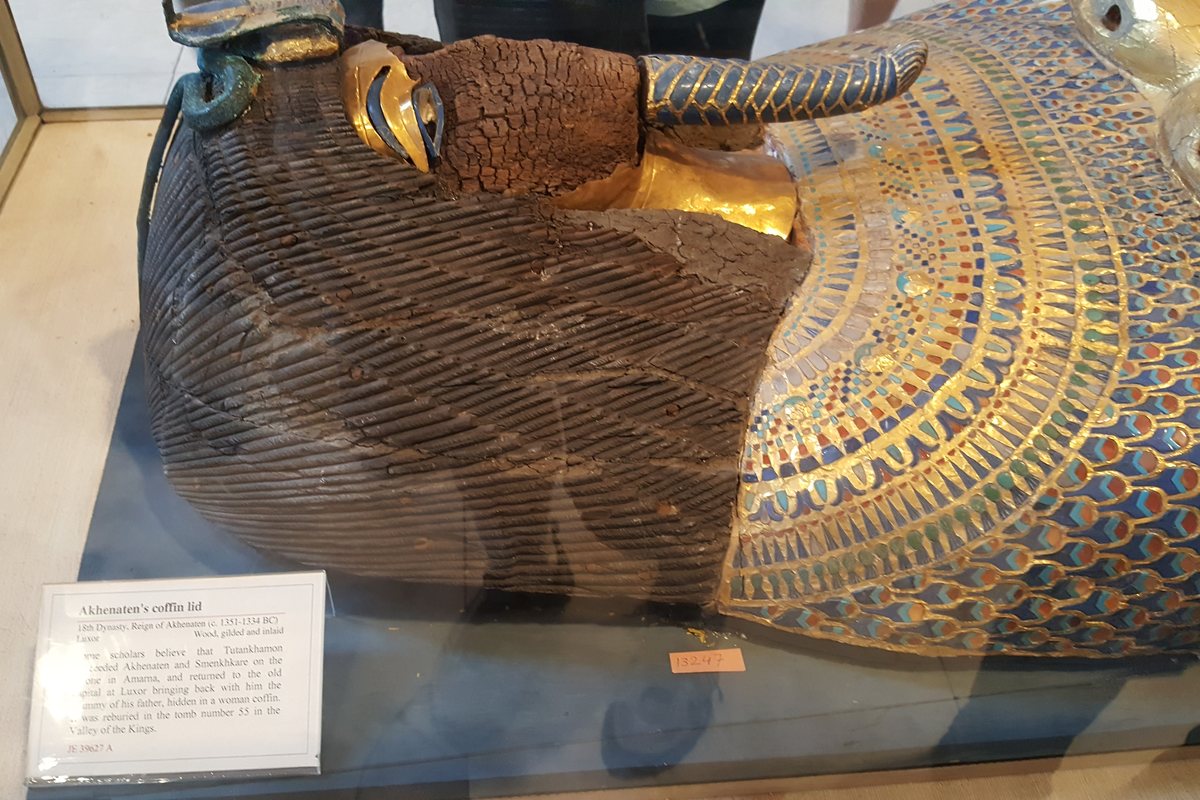
Dense galleries and historic cataloguing systems reward exact inventory numbers. Distinguish case headings, object labels and later database records.
At NMEC, follow long chronology
Broad civilization narratives connect periods and practices. Record where a label shifts scale from one object to a long historical theme.
Use specialised museums as centres
Coptic Museum and Museum of Islamic Art labels support their own material, religious and historical questions. Do not treat them as postscripts to pharaonic collections.
Keep practical details official
Hours, access, prices, photography and object display change. Verify each institution near the visit and follow on-site instructions.
Finish with a label comparison
Copy two complete label headers, then compare which claims are visible, qualified and sourced. Avoid ranking museums by word count alone.
Use a consistent transcription sheet
Prepare the same fields for every institution: title, number, material, date, provenance, qualifier, case heading and observation date. Consistency lets different editorial missions become visible without forcing identical content. A blank field means ‘not stated here,’ not necessarily ‘unknown to the museum.’
Allow enough time for one case
Label comparison requires more attention than photographing highlights. Choose one anchor museum and make a second optional. Travel, queues and fatigue can reduce transcription accuracy. If the second stop becomes impractical, compare two departments or displays inside the first institution rather than rushing.
Follow museum language respectfully
Terminology may reflect specialist period, collection history and translation practice. Record it before imposing your preferred spelling or category. When publishing a comparison, explain different conventions neutrally and cite official sources. Variation can reveal institutional focus without implying that only one museum knows the object.
Use the observation date
Every transcription and display note needs the day it was seen. Labels, galleries and online records can change, while a photograph may circulate without that context. The date does not prove accuracy; it tells later readers which version you encountered and makes responsible comparison possible.
End with one accountable paragraph
State what the museum says, what you directly observed, which source you checked and what remains uncertain. Keep these four parts in separate sentences. This compact structure is useful in a notebook, caption or article and prevents later research from being remembered as something visible in the original case. Add the inventory number and institution so another reader can repeat the route without relying on your object title.
Record institution, inventory number, wording and observation date before adding later research.