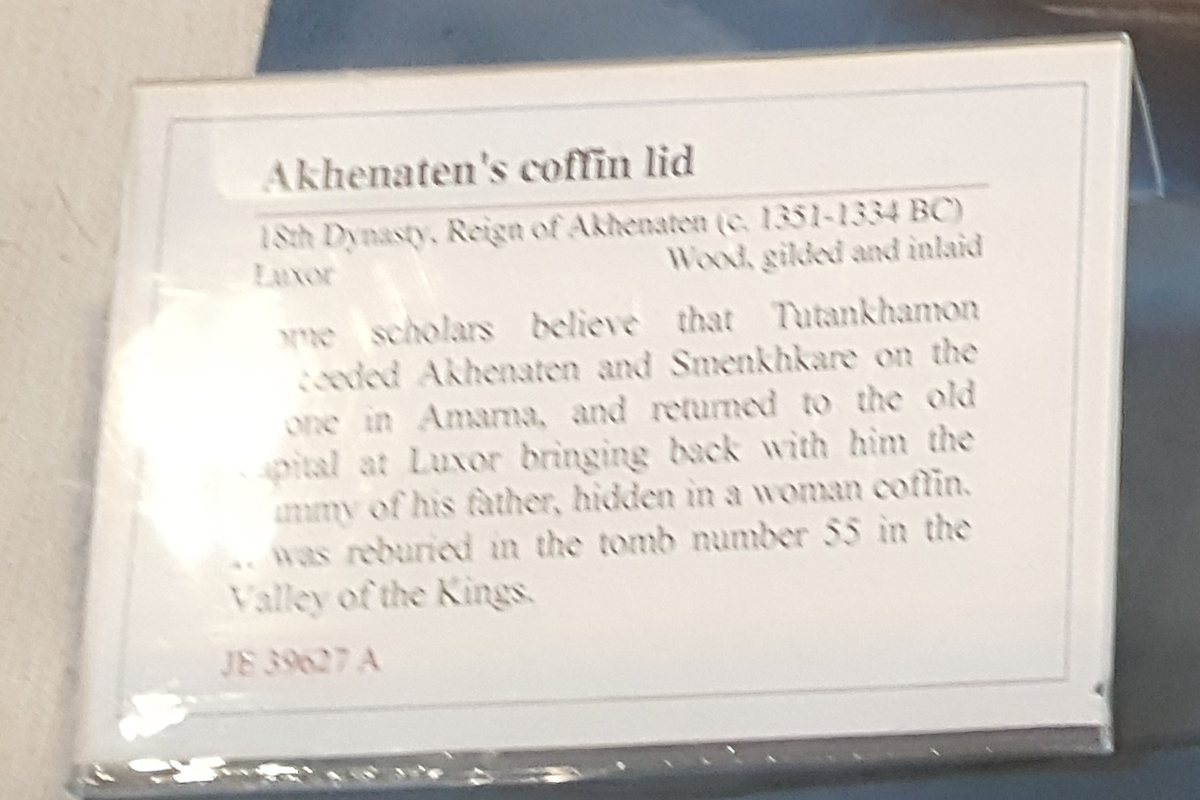
0–5 minutes: transcribe
Copy title, inventory number, material, dimensions, date, provenance and qualifiers exactly. Preserve punctuation and line breaks where meaningful.
5–12 minutes: observe before agreeing
Describe form, surface, joins, condition and display without repeating label nouns. Mark blocked views.
12–20 minutes: classify the claims
Label each statement as visible, inscription-based, contextual, comparative or uncertain where the source explains it.
20–28 minutes: inspect the grouping
Read case heading and neighbouring labels. Decide whether objects share archaeology, type, material or curatorial theme.
28–36 minutes: find the missing field
Choose the most important absent relationship: use, excavation feature, technique, translation, acquisition or display history.
36–45 minutes: write and route
Draft four accountable sentences, photograph the label where permitted, and save the inventory number for official follow-up.
After the gallery: verify the header
Within a day, check the official collection record using museum and inventory number. Compare title, material, dimensions, date and provenance one field at a time. Add corrections in a separate colour or column so the original observation remains visible. If no record is public, note the attempted route rather than filling fields from similar objects.
Build one source question
Choose the claim with the greatest interpretive effect: identity, date, material, findspot or translation. Find one source that explains its evidence rather than many pages that repeat it. This keeps follow-up proportionate and turns the visit note into a researchable problem.
Publish with the label attached
A public caption should name institution and inventory number, retain qualifiers and distinguish your observation from museum wording. Link to the official record where available. Do not reproduce live hours or admission unless you are prepared to maintain them; route practical readers to current institutional information.
Use the observation date
Every transcription and display note needs the day it was seen. Labels, galleries and online records can change, while a photograph may circulate without that context. The date does not prove accuracy; it tells later readers which version you encountered and makes responsible comparison possible.
End with one accountable paragraph
State what the museum says, what you directly observed, which source you checked and what remains uncertain. Keep these four parts in separate sentences. This compact structure is useful in a notebook, caption or article and prevents later research from being remembered as something visible in the original case. Add the inventory number and institution so another reader can repeat the route without relying on your object title.
Record institution, inventory number, wording and observation date before adding later research.