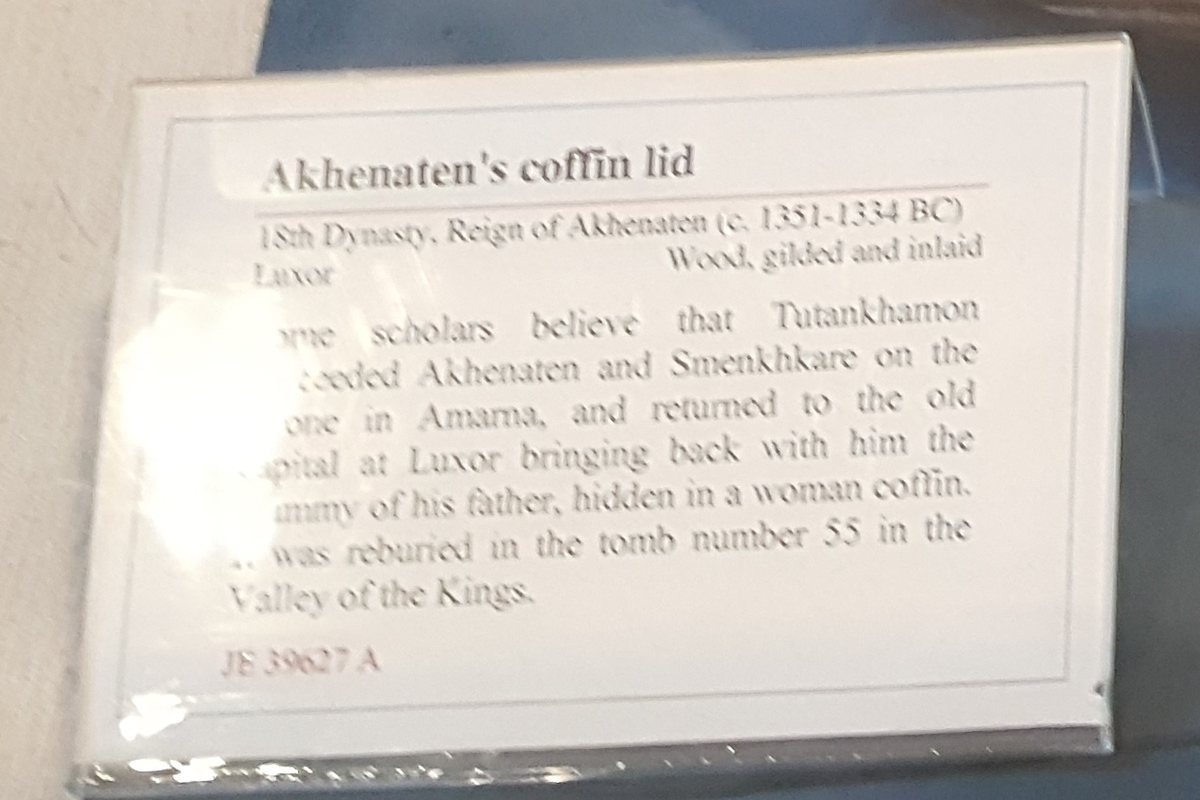
Start with the complete header
Institution, inventory number, object title, gallery and observation date create the search anchor. Without them, a common title produces unreliable matches.
Open the official record first
Compare photograph, dimensions, material, date and provenance. Record the page access date and any difference from the gallery label.
Find the cited catalogue
Official records may list bibliography. Search exact titles or identifiers rather than copying claims from unsourced summaries. Note whether a publication examined the object directly.
Follow one question
Choose date, material, translation, conservation or provenance. A focused trail avoids collecting sources that repeat the label without addressing your uncertainty.
Evaluate evidence, not prestige
A recent institutional record can be concise; an older specialist study can contain essential technical detail. Compare method, access to object and revision history rather than choosing only by date.
Write a three-source note
Summarise label, official record and one relevant publication in separate sentences. Explain agreement or difference. The structure is transparent and easy to update.
Save identifiers, not copied pages
Record a stable URL, catalogue citation, DOI or archive reference with access date. Avoid relying on screenshots of entire pages that lose update context and may reproduce restricted material. A clean citation trail is smaller, more searchable and easier to revise when the official record changes.
Separate object match from claim match
First confirm that a source addresses the same inventory number. Then check whether it actually supports the date, material or provenance statement you need. A perfect object match can still be irrelevant to your question, and a discussion of a similar object should be cited as comparison rather than direct evidence.
Close with a research limit
End the trail by stating what remains unavailable: unpublished excavation record, inaccessible reverse, missing analysis or unresolved attribution. This sentence prevents a collection of links from appearing complete. It also identifies the most useful next source instead of encouraging endless general searching.
Use the observation date
Every transcription and display note needs the day it was seen. Labels, galleries and online records can change, while a photograph may circulate without that context. The date does not prove accuracy; it tells later readers which version you encountered and makes responsible comparison possible.
End with one accountable paragraph
State what the museum says, what you directly observed, which source you checked and what remains uncertain. Keep these four parts in separate sentences. This compact structure is useful in a notebook, caption or article and prevents later research from being remembered as something visible in the original case. Add the inventory number and institution so another reader can repeat the route without relying on your object title.
Record institution, inventory number, wording and observation date before adding later research.